
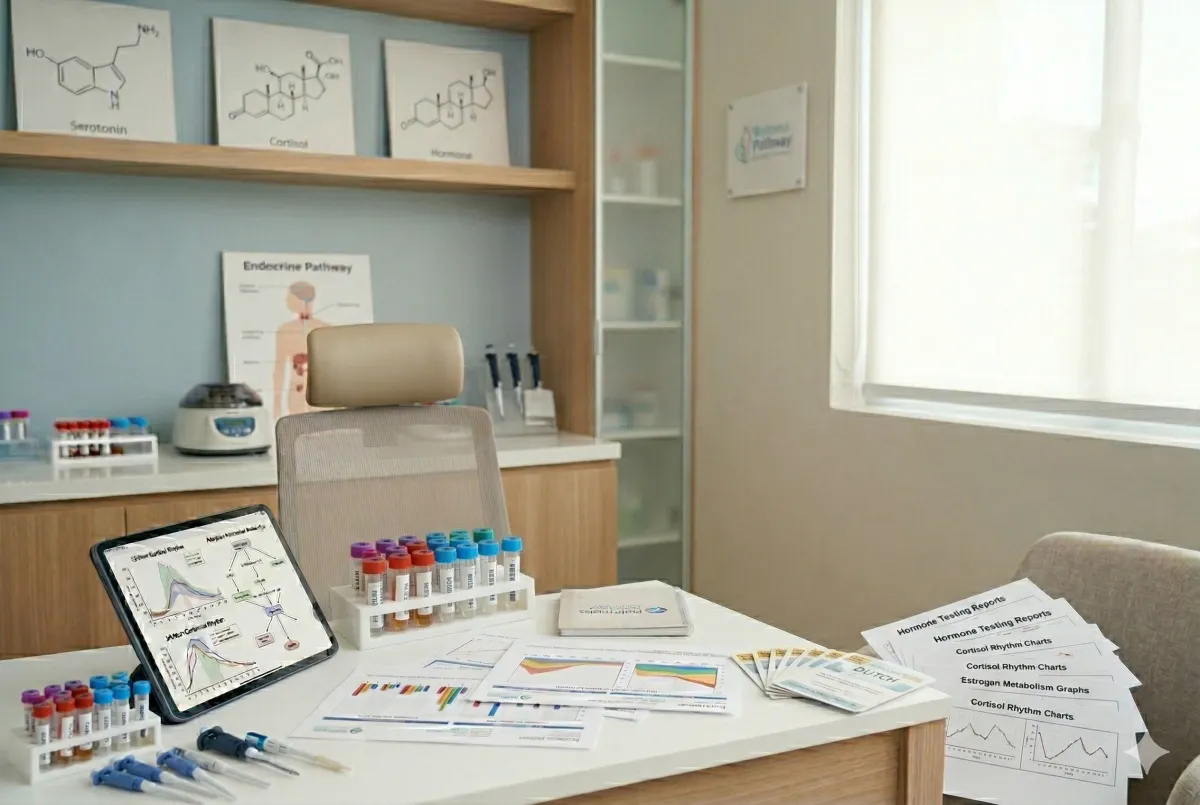
Functional Hormone Testing: EndoMap Test Explained
When it comes to hormones, blood tests don’t always tell the full story. Functional hormone testing is a deep dive into your personal hormone story.
Many people come to me after months — sometimes years — of unexplained symptoms: fatigue, weight changes, mood swings, disrupted sleep, skin breakouts, hair loss or fluctuating cycles. They sense it’s their hormones, however they’ve had the usual bloodwork with their GP, only to be told that everything looks “normal.”
Sound familiar?
This is where functional hormone testing steps in. Advanced tools like the EndoMap test or the well-known DUTCH test go beyond measuring hormone levels. They also show us how your body metabolises and clears those hormones as well as what might be blocking their production or effective use by the body — giving you a bigger, personalised picture.
What Makes Functional Hormone Testing Different?
Unlike a standard blood test, which is just a snapshot of circulating hormones at a single moment, urine-based hormone testing offers a complete story.
With Advanced Hormone Testing, we can measure:
Sex Hormones: It’s not just about total levels — we can see how your body is actually using these hormones.
Oestrogen: There are three key types — Estrone (E1), Estradiol (E2), and Estriol (E3). Each play a different role when it comes to reproduction, mood, skin, bone health, inflammation and protection for tissues like the vagina and urinary Tract.Progesterone: Beyond being the “pregnancy hormone,” progesterone calms the brain and nervous system, supports sleep, balances oestrogen, and has anti-anxiety effects. Low levels can lead to insomnia, irritability, and heavy or irregular cycles.
While low progesterone is common and often problematic, too much progesterone can also cause issues such as bloating, breast tenderness, fatigue, low mood, and feeling “slowed down,” highlighting why balance (not just more) is key.
Testosterone: Testosterone has different pathways which influence muscle strength, drive, acne and hair changes (especially hair loss). Even if your testosterone looks “normal” on your bloodwork there can still be imbalances at a deeper level.
Cortisol Rhythm & Adrenal Health: Daily fluctuations that reveal stress and energy balance as well as sleep disruptors. Cortisol is an ‘alpha’ hormone - ongoing imbalances will significantly influence other hormones, especially estrogen, progesterone and thyroid hormones.
Melatonin: More than just a “sleep hormone,” melatonin is your body’s natural repair signal. Low levels can leave you tossing and turning, while also affecting immune resilience and how well your cells recover overnight.
Androgen & DHEA Pathways: These pathways show whether your body is turning DHEA and testosterone into energising, muscle-supporting androgens — or funnelling them down routes linked to acne, hair changes, or low drive. It’s the difference between feeling strong and vibrant, or sluggish and out of sync.
Oestrogen Metabolism: Clearing hormones is just as important as making hormones. Understanding if you are detoxifying oestrogen safely is a cornerstone for prevention of chronic disease.
Endocrine Disruptors: Screen for common environmental chemicals (such as BPA, phthalates, and parabens) and heavy metals which can mimic or interfere with hormone function.
Organic Acids: Provides insights into nutrient status, mitochondrial energy production, detoxification capacity, and neurotransmitter metabolites — all of which influence hormonal balance.
In short, don’t just see “how much” hormone you have, but also “what your body does with it.”
Why This Matters for Your Health
Hormones act less like solo performers and more like a symphony. If one is out of tune, the ripple effects can be felt everywhere.
Conditions Where Advanced Hormone Testing Provides Insight
Perimenopause & Menopause: It’s not just about hot flushes. This is the hormonal crossroads where shifts in oestrogen, progesterone, and testosterone ripple through every system. Testing helps us see which hormones or roadblocks are truly driving your symptoms — and more importantly, optimising the keys to protecting your long-term brain health, bone density, and cardiovascular health.
Stress & Fatigue: Ever wondered why you feel wired at night but wiped out in the morning? Your circadian rhythm is out of alignment. Cortisol rhythm testing shows if your adrenal glands are underperforming, overproducing, or completely out of sync.
Weight & Metabolism: Struggling to shift weight despite eating well and exercising? Hormone testing uncovers whether insulin resistance, cortisol spikes, sluggish thyroid conversion, or poor estrogen clearance are creating roadblocks — and shows us how to reset your metabolic story.
Sleep Issues: Melatonin and cortisol don’t just decide whether you sleep — they shape how deeply you rest and how well your body repairs overnight. Imbalances here can explain those restless, wide-eyed nights.
Skin & Hair Health: Breakouts, thinning hair, dryness, or hair growth in all the wrong places? Hormone testing shows whether oestrogen, progesterone, androgens, or cortisol are behind the changes — so you can glow from the inside out.
PMS, PCOS, Endometriosis & Irregular Cycles: From painful periods to stubborn breakouts, advanced testing reveals whether androgen metabolism or oestrogen dominance is behind the drama — so we can treat the cause, not just the symptoms.
Mood & Mental Health: Anxiety, brain fog, or the blues? Hormone shifts in cortisol, progesterone, and melatonin directly impact your nervous system, helping us connect the dots between body chemistry and emotional wellbeing.
How Advanced Hormone Testing Works
I love how simple this test is, once you have ordered your kit (via your practitioner) it is sent to you to do at home.
Collect four dried urine samples on filter paper throughout the day.
Air dry each sample and return to my specialist lab using the reply paid envelope enclosed.
Samples are analysed in a specialist lab.
Within weeks, you receive your detailed hormone test results report which can be analysed by your practitioner.
This report becomes your blueprint for your personalised hormone treatment plan.
What Happens After the Results?
What I love most about Advanced Hormone Testing is how actionable it is.
Depending on your results, your plan might include:
Nutrition for Hormone Balance: Foods that support hormones, estrogen clearance, stabilise blood sugar, and fire up metabolism.
Herbal Medicine: Targeted blends to regulate estrogen, progesterone, testosterone, or DHEA — tailored to your unique pathways.
Stress & Adrenal Support: Adaptogens and rituals to restore cortisol rhythm, boost energy, and protect your nervous system.
Rest & Sleep: Strategies and natural supports to boost melatonin, calm evening cortisol, and restore deep, restorative sleep.
Beauty from the Inside Out: Nutrients and herbs to bring back skin glow, support healthy hair growth, and reduce breakouts.
Weight & Metabolism Reset: A personalised roadmap to overcome roadblocks like insulin resistance, thyroid sluggishness, or cortisol spikes.
Lifestyle Rituals: Daily habits to align your body with its natural hormonal rhythm — because small, consistent shifts create lasting change.
Detoxification: Clearing slow detox pathways or unwanted roadblockers in the form of endocrine disruptors or heavy metals.
Final Thoughts
If you’ve ever felt like your hormones are “all over the place,” but your blood tests keep coming back “normal,” functional hormone testing may be the missing link.
Advanced Hormone Testing provides insights that standard testing often misses, helping you understand your body more deeply. And best of all, it allows practitioners to create a plan that addresses the root cause of your symptoms.
✨ Key Takeaway: Functional hormone testing is a game-changer in uncovering what’s really happening beneath the surface of your health.



Mail
Facebook
LinkedIn
X
Pinterest